Week 14: Deep Release Yoga Sequence
This week’s sequence focuses on gentle unwinding and full-body relaxation. Supine Knees-to-Chest uses slow exhales to draw the body inward, easing tension in the lower back and hips while creating a sense of comfort and security. Reclined Twist encourages long, unhurried breaths that help release residual stress from the spine and nervous system. Savasana completes the practice with natural, effortless breathing, allowing the body and mind to fully let go. Together, these poses support deep restoration, emotional release, and integration—making this sequence ideal for closing the practice with calm, ease, and quiet presence.
This asana sequence is designed for beginners.
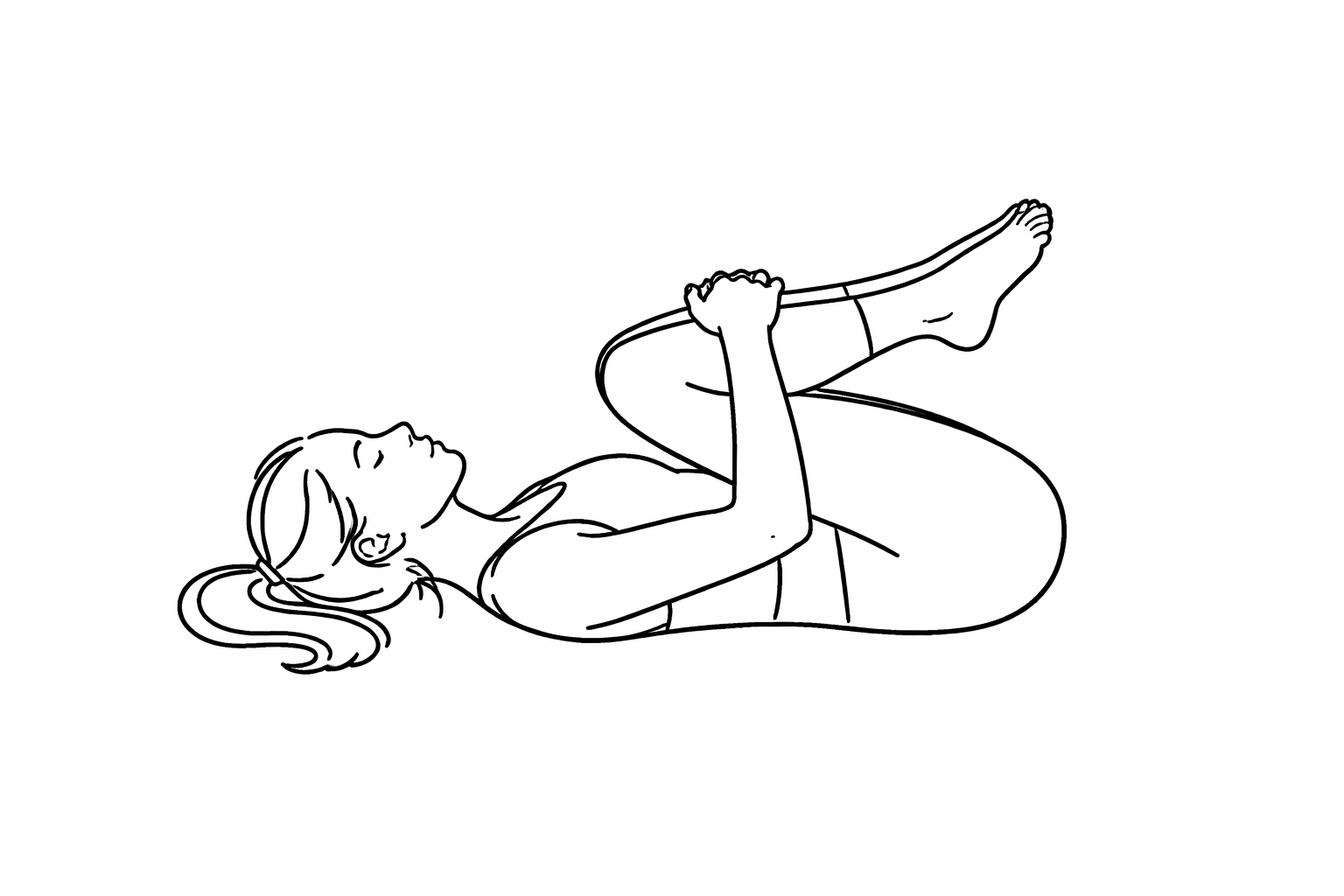
Supine Knees-to-Chest (Apanasana)
How to do it (step by step):
Lie on your back. Let your shoulders relax, and your neck feel long.
Bend your knees and place your feet on the floor.
Bring one knee in at a time, then hug both knees toward your chest (hands to shins or behind thighs).
Inhale: let your belly expand and soften—don’t force the knees in.
Exhale: gently hug the knees closer, feeling the low back widen into the mat.
Optional: rock side to side a few times for a light massage.
Stay for 5–8 breaths, then release your feet back to the floor.
Breath cue: Inhale—expand the belly. Exhale—hug in and release tension.
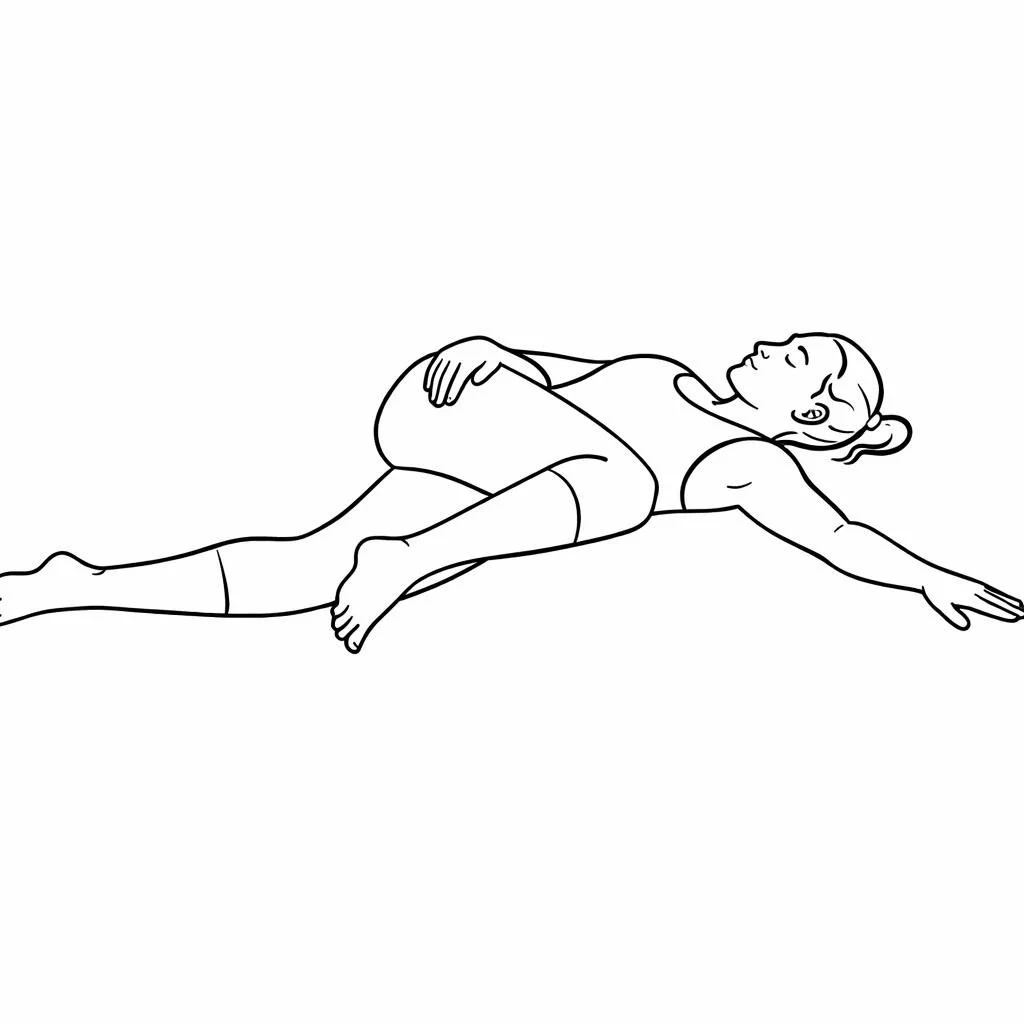
Supine Twist (Supta Matsyendrasana)
Lie on your back
Extend your legs long, then let your body settle.
Take 1–2 slow breaths.
Hug your knees in
Bend both knees and draw them toward your chest.
Keep shoulders relaxed.
Set up your “T” arms
Stretch arms out to the sides at shoulder height, palms up or down.
Exhale: drop knees to the right
Keep knees together (or slightly apart if that feels better).
Let hips roll, but try to keep both shoulders heavy on the floor.
Adjust for comfort
If your top knee floats, place a pillow/block under the knees.
If your shoulder lifts, move your knees less far or keep them on support.
Turn your head gently (optional)
You can look to the left (opposite your knees).
Or keep your head neutral if your neck is sensitive.
Breathe and soften (30–90 seconds)
Inhale: expand your ribs and belly.
Exhale: let your knees get heavier, and unclench your jaw.
Return to center
Inhale: bring knees back to center.
Switch sides
Exhale: drop knees to the left.
Hold and breathe, then return to the center.
Simple modifications (choose one)
Gentle twist: keep knees bent and place feet on the floor, then let knees fall side to side.
Figure 4 supine twist: cross right ankle over left thigh, then drop legs left (targets outer hip).
Legs extended twist: keep bottom leg straight, cross top leg over (stronger—use cautiously).
Safety notes
Go easy if you have acute low back pain, disc issues, or pregnancy (use lots of support and keep twists mild).
Twists should feel like a stretch, not sharp pain or pinching.
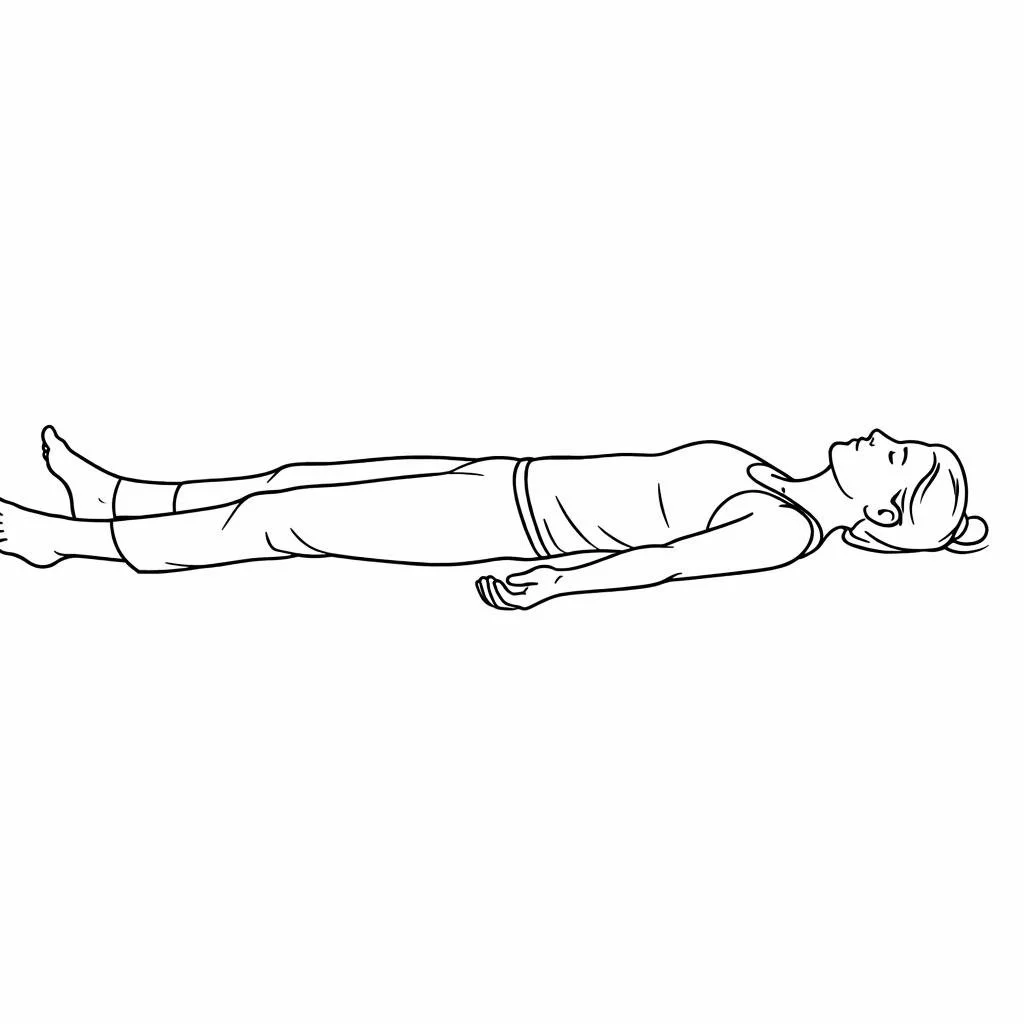
Savasana (Corpse Pose)
Lie down on your back
Sit on your mat, then lower down carefully.
Let your whole body land heavy.
Set your legs
Choose one:Classic: legs extended long, feet fall open naturally.
Supported (great for low back): bend knees and place feet on the floor, or put a pillow/bolster under knees.
Place your arms
Arms by your sides, a few inches away from your body.
Palms face up (more open/relaxing) or down (more grounding).
Adjust your head/neck
Make the back of your neck long (chin slightly tucked).
If your chin lifts up, place a small folded towel/blanket under your head.
Soften your face
Unclench teeth, relax tongue, smooth forehead.
Let eyes rest—either closed or softly lowered.
Scan and release
On each exhale, relax one area:
shoulders → arms → hands
belly → hips
thighs → calves → feet
Breathe naturally
No controlling—just notice your breath.
If your mind wanders, gently return to feeling your belly rise and fall.
Stay
Hold for 3–10 minutes (even 2 minutes helps).
Exit slowly
Deepen your breath.
Wiggle fingers/toes.
Roll to your right side for a breath or two.
Press up to sit, keeping your head last.
Comfort upgrades (highly recommended)
Blanket over your body (helps your nervous system relax)
Bolster/pillow under knees (reduces low-back tension)
Eye pillow or towel over eyes (quiet mind)
Support under head if neck feels strained
Common issues + fixes
Low back discomfort: bend knees or bolster under knees.
Restless/anxious: palms down, feet on floor, longer exhales.
Tight hips: place a pillow under each outer thigh if legs don’t relax open.