Week 13: Calm the Mind Yoga Sequence
This week’s sequence centers on soothing the nervous system and cultivating mindful awareness through breath and gentle movement. Easy Seat with Breath Counting lengthens the exhale, signaling the body to relax and helping quiet mental chatter. Slow neck rolls release tension commonly held in the jaw, shoulders, and upper spine, encouraging a sense of ease with each exhale. Child’s Pose brings the practice into stillness, allowing the breath to settle into a steady, comforting rhythm. Together, these practices support stress reduction, improved focus, and deep relaxation—making this sequence ideal for restoring calm and reconnecting with inner balance.
This asana sequence is designed for beginners.
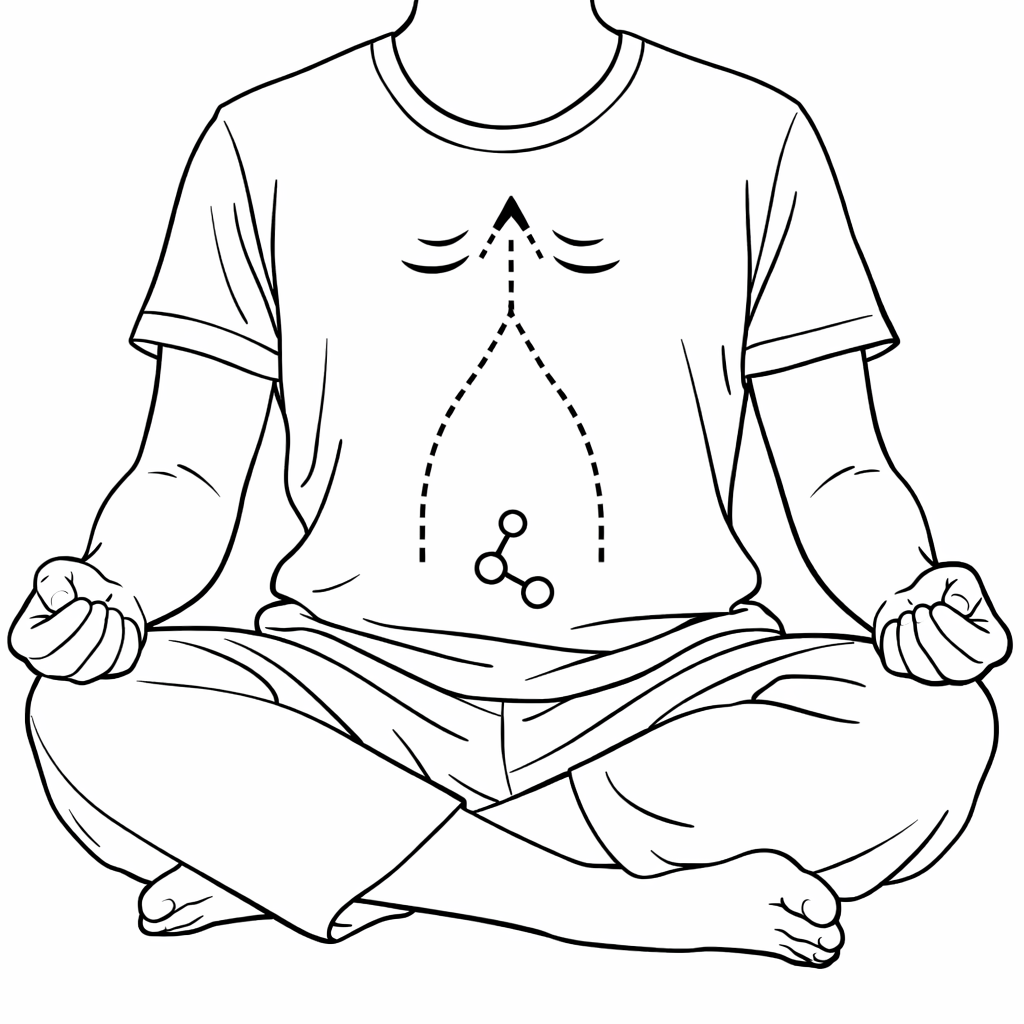
Easy Seat + Breath Awareness (Sukhasana)
Goal: calm the nervous system and let your breath slow down naturally.
Set up
Sit cross-legged comfortably.
If knees are higher than hips, sit on a pillow/blanket so your hips are elevated.
Posture
Hands rest on thighs or belly.
Spine tall but not stiff—think “stacked” (hips → ribs → head).
Relax your face
Soften your brow, unclench your jaw, drop shoulders.
Breath pattern (Inhale 4 / Exhale 6)
Inhale for 4 counts: 1–2–3–4 (smooth, easy)
Exhale for 6 counts: 1–2–3–4–5–6 (slower and softer)
Repeat for 5–8 rounds.
What to focus on
Feel the inhale gently expand your ribs.
Feel the exhale “pour out” like warm water—longer, quieter, relaxing.
Checkpoints
If 4/6 feels too long, switch to inhale 3 / exhale 5.
Keep it comfortable—no gasping or straining.
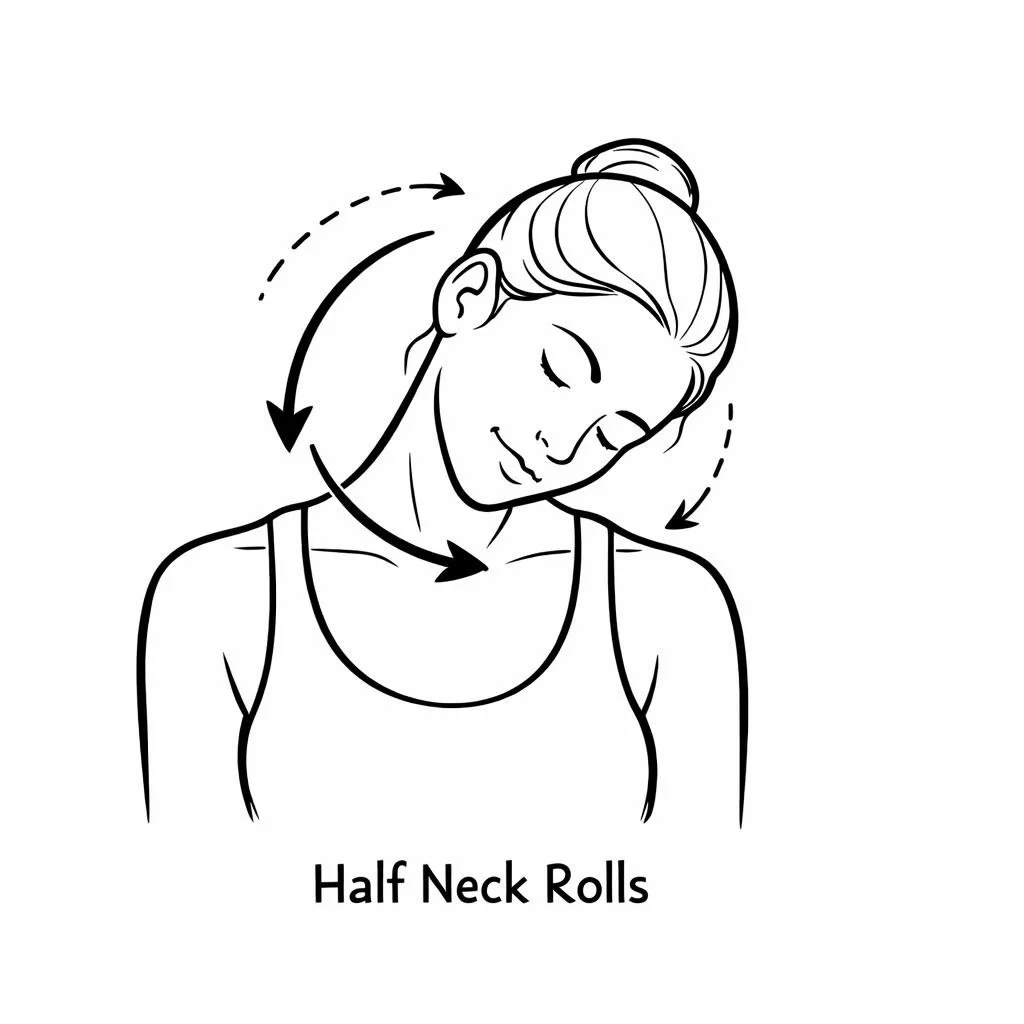
Seated neck “half-rolls” (safest, recommended)
Sit tall
Sit cross-legged or on a chair.
Stack: ears over shoulders, shoulders over ribs, ribs over hips.
Set your shoulders
Roll your shoulders up, back, and down once.
Hands rest on thighs, jaw soft.
Inhale: lengthen
Imagine a string lifting the crown of your head.
Exhale: ear to right shoulder
Keep both shoulders relaxed and level.
Don’t force it—just a gentle stretch.
Slowly roll your chin toward your chest
Move through the front of the neck (chin toward collarbones).
Keep the back of your neck long.
Continue to the left ear toward the left shoulder
Pause and breathe.
Repeat back through the center
Go side → front → side, like a calm windshield wiper.
Do 3–5 slow passes.
Switch direction
Do 3–5 passes the other way.
Option B: Controlled neck circles (only if it feels 100% smooth)
Follow steps 1–5 above.
From chin to chest, very slowly glide toward the right side, then gently let the head tip slightly back (not far).
Continue to the left side and back to chin-to-chest.
Do 1–3 circles each direction, tiny and smooth—stop if there’s any pinching, grinding, or dizziness.
Best cues (make it feel good)
Move with your breath (exhale as you go into the stretch).
Keep shoulders heavy (don’t shrug).
Think “long neck”, not “crank and pull.”
Pain = stop. Stretch sensation = okay.
When to skip neck rolls
Skip or keep super small if you have: recent neck injury, vertigo/dizziness, nerve pain/tingling, or diagnosed cervical disc issues.
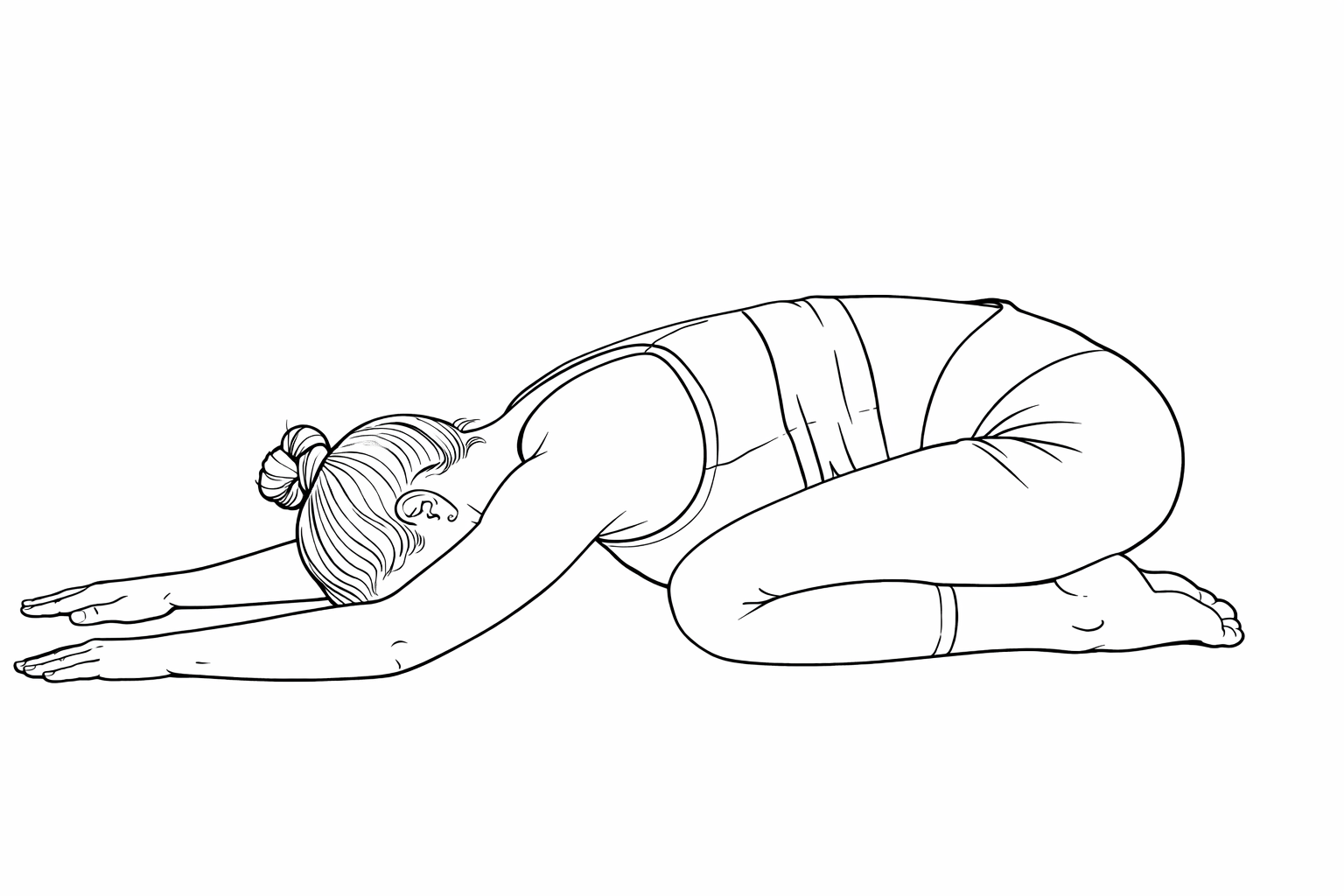
Child’s Pose (Balasana)
Goal: soften your low back, hips, and shoulders while breathing into the back body.
Set up
Come to hands and knees (tabletop).
Bring your big toes together.
Let your knees open wide (or keep them closer if that feels better on your hips).
Fold back
Send your hips back toward your heels.
Walk your hands forward so your arms stretch long.
Land and relax
Rest your forehead down on the mat (or on stacked fists/a pillow).
Let your neck be heavy.
Breath cue
Inhale: imagine your breath expanding into your ribs and upper back (like you’re “breathing into the back of your bra line”).
Exhale: soften your belly, let your hips get heavier toward your heels.
Checkpoints
Shoulders melt away from ears.
No sharp pain in knees/hips.
Breath feels smooth and quiet.
Helpful options
Tight hips: place a pillow/blanket between thighs and calves.
Tight ankles: roll a small towel behind the ankles.
Knee sensitivity: keep knees closer together or pad under knees.