Week 18: Deep Rest & Reset Yoga Sequence
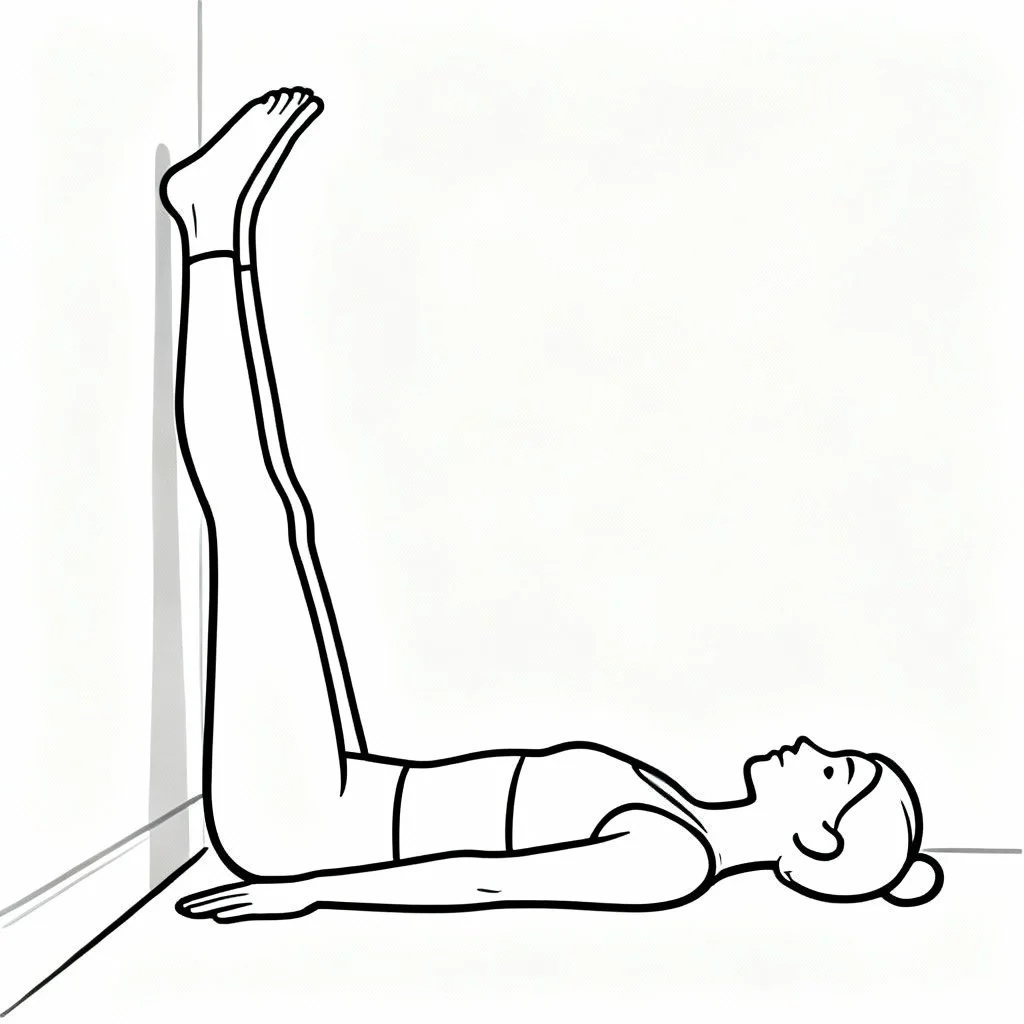
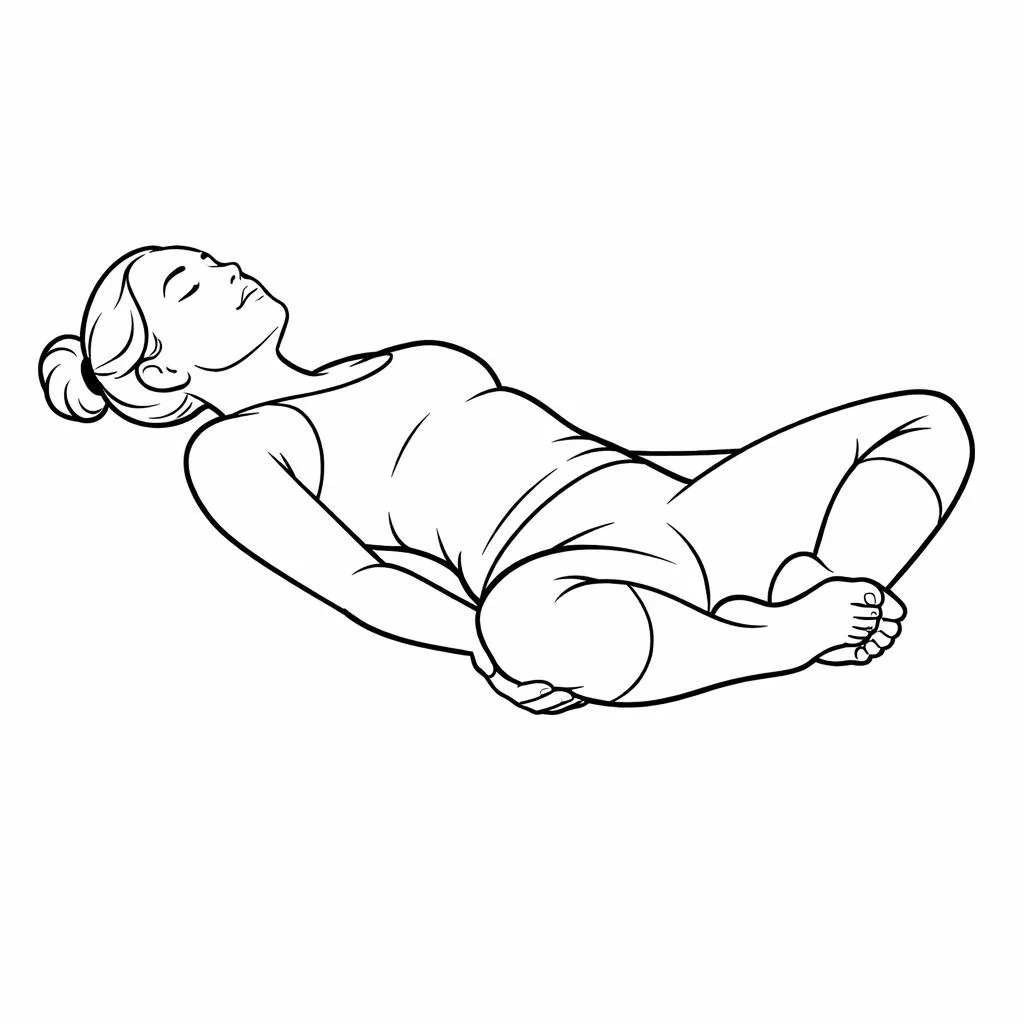
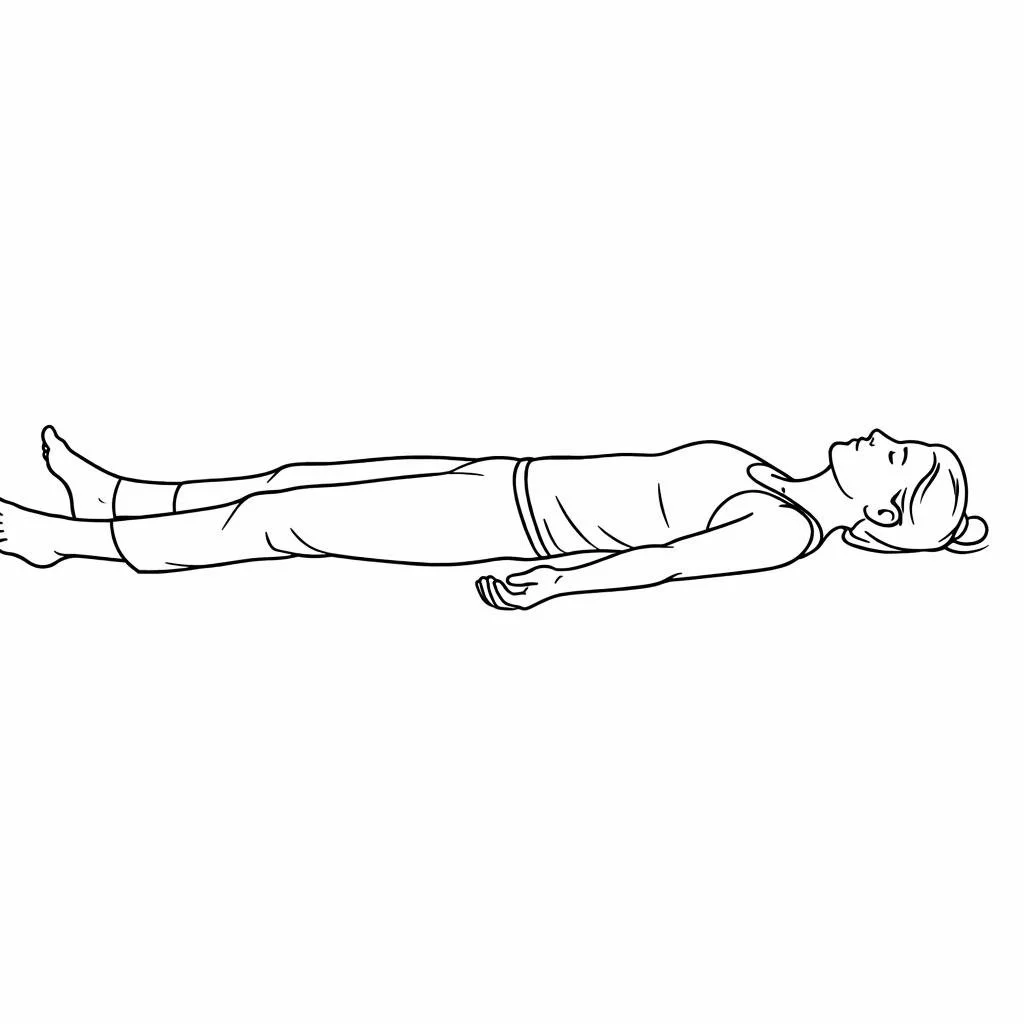
This week’s sequence is centered on restoration and nervous-system recovery through fully supported, reclined poses. Legs Up the Wall helps calm the mind and reduce physical fatigue, using the inhale to invite ease and the exhale to release heaviness from the legs and lower body. Supine Bound Angle encourages gentle belly breathing, softening the hips while promoting relaxation and emotional openness. Savasana completes the practice with effortless breathing, allowing the body to fully integrate rest and renewal. Together, these poses support circulation, stress relief, and deep relaxation—making this sequence ideal for resetting both body and mind.
This asana sequence is designed for beginners.
Legs Up the Wall (Viparita Karani)
Set up your space
Find a clear wall space.
Optional: place a folded blanket or yoga mat under you for cushioning.
Sit sideways next to the wall
Sit with one hip close to the wall (shoulder facing the wall).
Your knees are bent, feet on the floor.
Swing your legs up as you lower down
Place your hands behind you for support.
Gently roll onto your back while you swing both legs up the wall.
Scoot your hips toward the wall as it feels comfortable.
Find your best distance from the wall
Choose what feels good:Hips close to the wall: stronger hamstring stretch.
Hips a few inches away: gentler, often better for tight hamstrings/low back.
Set your arms
Arms by your sides with palms up, or hands on your belly.
Let shoulders soften into the floor.
Relax your legs
Let your thigh bones feel heavy.
Keep knees softly relaxed (they don’t need to lock straight).
Breathe and rest
Close your eyes.
Stay 5–15 minutes (even 2–3 minutes helps).
Natural breath, or try longer exhales to calm your nervous system.
To come out safely
Bend your knees and place your feet on the wall.
Roll to one side (fetal position) and rest for a breath.
Use your hands to press up to sitting slowly.
Super-comfy modifications
Bolster/pillow under hips (gentle inversion—great for relaxation)
Pillow/blanket under head if your chin lifts
Strap around thighs if legs get tired of staying together
Knees bent with feet on the wall if hamstrings feel intense
When to be cautious / skip
Avoid or check with a clinician first if you have glaucoma/eye pressure issues, uncontrolled high blood pressure, recent surgery, or if inversions make you dizzy. If you’re on your period and prefer gentler practice, keep your hips farther from the wall (personal comfort varies).
Supine Bound Angle (Supta Baddha Konasana)
Breath theme: Natural, effortless breathing.
Step-by-step
Sit down and bring the soles of your feet together like a Butterfly.
Place a bolster or folded blankets behind you for support.
Slowly lower down onto your back (use your hands behind you for control).
Let arms rest by your sides, palms up, or one hand on heart/one on belly.
Let knees open gently—support them with pillows/blocks if there’s strain.
Stay 2–8 minutes.
Tips
If you feel pulling in the inner thighs or hips, support the knees (this is key for true relaxation).
If your lower back feels tight, try placing your feet a little farther from the pelvis or place a thin pillow under your lower back (optional).
Keep your face soft—relax your tongue from the roof of the mouth.
Breathwork (super simple)
Just observe your breath as-is for the first minute.
Then lightly lengthen the exhale: inhale naturally / exhale a little longer (no counting needed).
Optional grounding cue: “Inhale: receive. Exhale: release.”
Savasana (Corpse Pose)
Lie down on your back
Sit on your mat, then lower down carefully.
Let your whole body land heavily.
Set your legs
Choose one:Classic: legs extended long, feet fall open naturally.
Supported (great for low back): bend knees and place feet on the floor, or put a pillow/bolster under knees.
Place your arms
Arms by your sides, a few inches away from your body.
Palms face up (more open/relaxing) or down (more grounding).
Adjust your head/neck
Make the back of your neck long (chin slightly tucked).
If your chin lifts up, place a small folded towel/blanket under your head.
Soften your face
Unclench teeth, relax tongue, smooth forehead.
Let eyes rest—either closed or softly lowered.
Scan and release
On each exhale, relax one area:
shoulders → arms → hands
belly → hips
thighs → calves → feet
Breathe naturally
No controlling—just notice your breath.
If your mind wanders, gently return to feeling your belly rise and fall.
Stay
Hold for 3–10 minutes (even 2 minutes helps).
Exit slowly
Deepen your breath.
Wiggle fingers/toes.
Roll to your right side for a breath or two.
Press up to sit, keeping your head last.
Comfort upgrades (highly recommended)
Blanket over your body (helps your nervous system relax)
Bolster/pillow under knees (reduces low-back tension)
Eye pillow or towel over eyes (quiet mind)
Support under the head if the neck feels strained
Common issues + fixes
Low back discomfort: bend knees or place a bolster under the knees.
Restless/anxious: palms down, feet on floor, longer exhales.
Tight hips: place a pillow under each outer thigh if legs don’t relax open.