Learning to Pause Without Guilt
Somewhere along the way, many of us learned that rest must be earned.
We learned to measure our worth by productivity, to justify stillness with exhaustion, and to explain pauses as if they were indulgences instead of necessities. We learned to apologize for slowing down. To promise we’d “get back to it.” To treat rest as a reward instead of a rhythm.
But pausing is not a failure.
It’s a regulation.
When we allow ourselves to slow down—even briefly—something subtle but powerful happens. Our nervous system begins to recalibrate. The constant hum of urgency softens. Our breath deepens. Our thoughts untangle just enough for clarity to return.
Pause is not quitting. It’s listening.
So often, our bodies know long before our minds are willing to admit it. The tension in our shoulders. The heaviness behind the eyes. The irritability that creeps in when we’ve been pushing too hard for too long. These are not weaknesses. They are signals. Information. Wisdom.
And yet, we resist them.
We push past hunger, fatigue, and overwhelm because slowing down feels like falling behind. Because rest can trigger guilt. Because stillness leaves space—and space can feel unfamiliar, even unsafe, in a culture that celebrates constant motion.
But what if pause didn’t require permission?
What if you didn’t need to justify your need to rest with burnout or breakdown? What if you trusted that your body is not working against you, but for you?
Pausing doesn’t mean everything stops forever. It means you’re choosing to meet yourself where you are, rather than where you think you should be. It means allowing your system to reset so you can move forward with more intention, not less.
When you pause without guilt, you create room for awareness.
You notice what you’re carrying.
You notice what’s no longer sustainable.
You notice what actually matters.
And from that place, decisions become clearer. Boundaries feel more natural. Energy returns—not because you forced it, but because you honored its ebb and flow.
This week’s practice isn’t about doing less for the sake of doing less. It’s about releasing the belief that your value is tied to constant output. It’s about recognizing that rest is not something you have to earn—it’s something you’re allowed to receive.
So when your body asks for a pause, listen.
When your mind tells you it’s “not enough,” question that voice.
And when guilt arises, remind yourself: slowing down is not a step backward. It’s how you stay connected to yourself.
You don’t need permission to pause.
Your body already knows when it’s time.
Just 10 minutes a day, give yourself permission to pause.
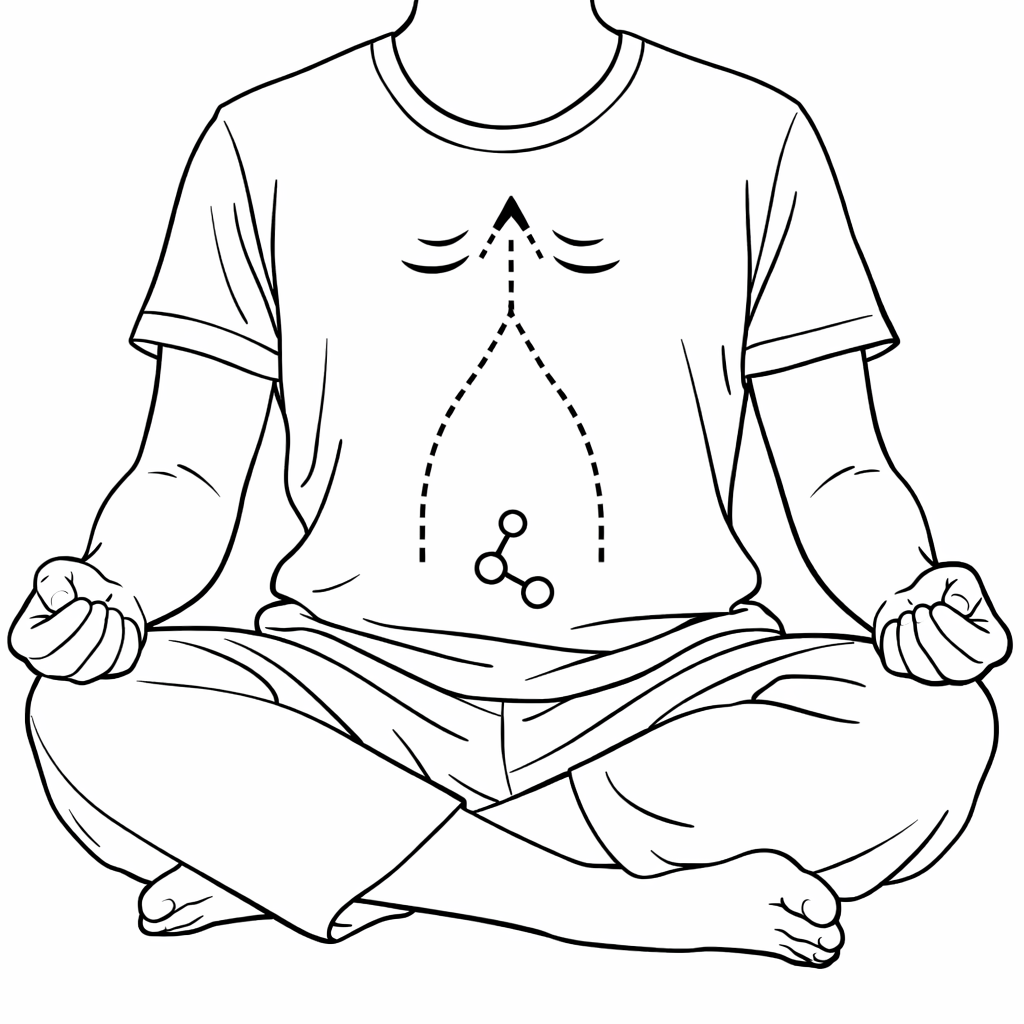
Purpose:
To practice stopping without fixing, achieving, or explaining. This is about being, not improving. Doing this weekly builds tolerance for stillness.
It retrains your nervous system to associate pause with safety instead of failure. Over time, guilt softens because your body learns: nothing bad happens when I stop.
Minutes 0–2: Arrive
Sit or lie down somewhere comfortable.
Place one hand on your chest or belly.
Take slow breaths—in through the nose, out through the mouth.
No special technique. Just notice: I am here.
If thoughts arise, let them pass without engaging with them. You’re not trying to quiet the mind—to arrive in your body.
Minutes 2–6: Body Listening
Scan your body slowly from head to toe.
Ask gently (no pressure to answer):
Where am I holding tension?
What feels tired?
What feels okay?
If you notice discomfort, don’t rush to change it. Acknowledge it: I see you. This teaches your nervous system that awareness does not equal danger.
Minutes 6–8: Permission Statement
Silently or out loud, repeat one of these phrases (or create your own):
“I am allowed to pause.”
“Rest does not need to be earned.”
“Nothing is required of me right now.”
Notice any resistance or guilt that shows up—without judgment. Let it be there.
Minutes 8–10: Gentle Re-Entry
Before ending, ask yourself:
What do I need next?
(Not what should I do—what do I need?)
Take one final breath and slowly return.