What It Means to Live Intentionally
Intentional living begins with awareness, not control.
For a long time, I thought living intentionally meant having everything figured out—clear goals, strict routines, a perfectly mapped-out future. But I’m learning that intention isn’t about micromanaging life. It’s about noticing it.
It’s about paying attention to where your energy goes.
It’s about choosing what deserves your focus.
And it’s about allowing your actions to reflect what truly matters—rather than what feels urgent.
So much of life pulls at us constantly. Notifications, responsibilities, expectations, noise. Without realizing it, we can slip into a reactive way of living—responding to whatever is loudest or most immediate, instead of what’s most meaningful. Intentional living gently invites us to pause and ask: Is this aligned with the life I want to create?
Awareness Before Action
Intentionality starts with awareness. Before changing anything, we have to see clearly.
What drains you?
What nourishes you?
What do you keep saying yes to out of habit, guilt, or fear?
Awareness doesn’t judge—it observes. It allows you to notice patterns without immediately trying to fix them. When you begin to observe your thoughts, your schedule, and your emotional responses, you start to recognize where you’re living on autopilot.
And that awareness alone is powerful.
Choosing What Deserves Your Energy
Once you become aware, choice becomes possible.
Living intentionally means recognizing that your energy is finite. You don’t have endless time, focus, or emotional capacity—and that’s not a flaw. It’s a truth that invites discernment.
Not everything deserves the same level of attention.
Not every request requires a yes.
Not every moment needs to be filled.
Intentional living asks you to decide what truly matters to you, not what looks important to others or what society tells you should matter. When your energy is aligned with your values, life feels less scattered and more grounded.
From Reactivity to Grounded Presence
When you live intentionally, life becomes less reactive.
You’re no longer constantly pulled by urgency, comparison, or external pressure. Instead, you begin to respond from a place of clarity. You move slower—but with more purpose. You make decisions that feel rooted rather than rushed.
This doesn’t mean life becomes perfect or peaceful all the time. Challenges still come. Stress still exists. But intentional living gives you an anchor. It helps you return to yourself, again and again, even when things feel chaotic.
A Practice, Not a Destination
Intentional living isn’t something you achieve once and master forever. It’s a daily practice. Some days you’ll feel deeply aligned. Other days, you’ll realize you’ve drifted—and that’s okay.
Each moment offers a chance to realign.
Each pause is an invitation to choose again.
Living intentionally is not about doing more. Often, it’s about doing less—but with greater meaning. It’s about living in a way that feels honest, grounded, and true to who you are becoming.
And maybe that’s the heart of it:
Not controlling life—but consciously participating in it.
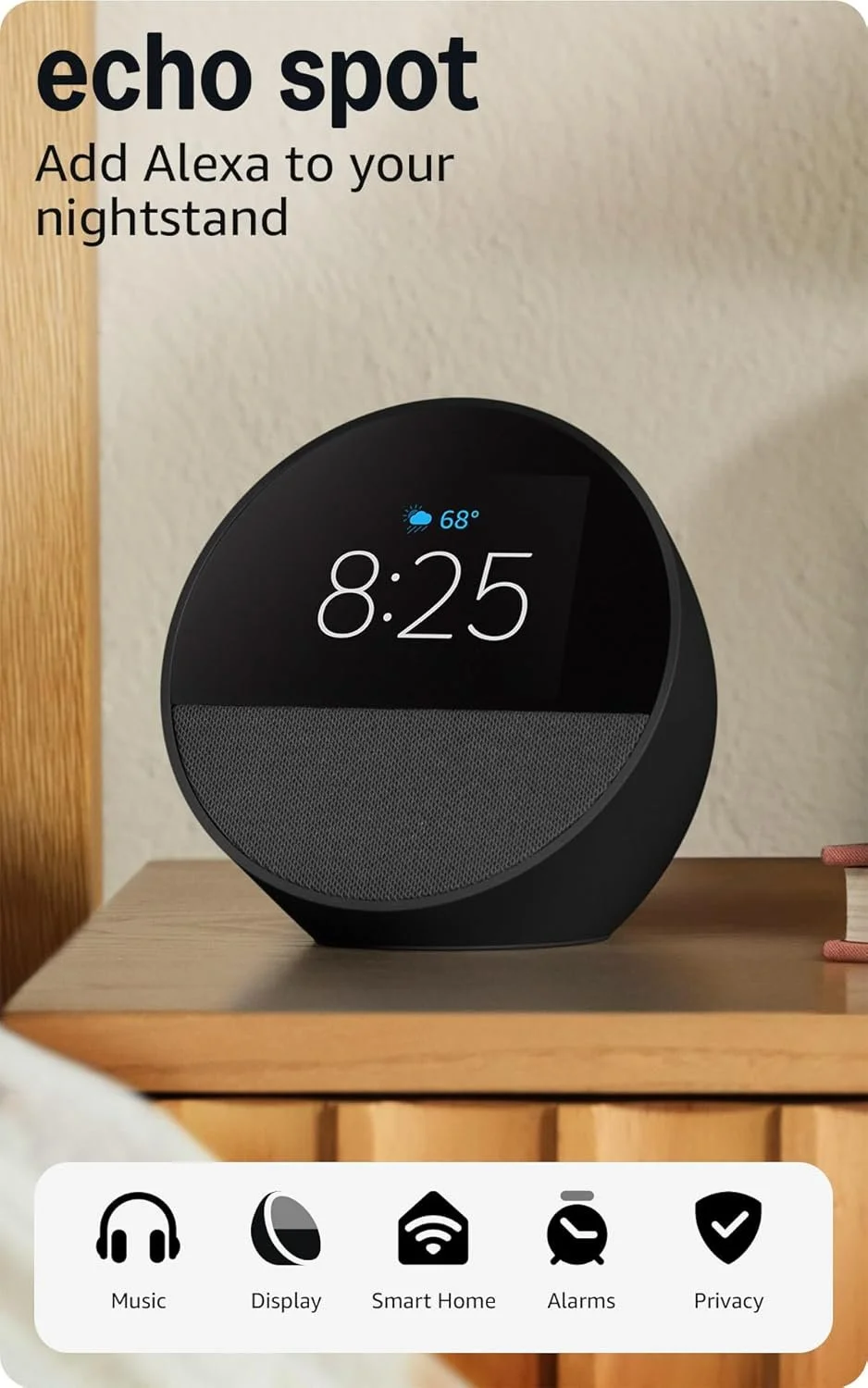
One small tool that’s helped me live more intentionally day-to-day is a simple smart speaker like the Amazon Echo Spot. I use it to set gentle reminders, create routines, and play calming music or podcasts — small things that help my days feel more grounded and less chaotic.
(affiliate link)